Magema Fuze’s Life and Experiences: A Timeline
Magema Fuze was involved in, and commented on, the main political events of his time. This timeline plots both the important incidents in Fuze’s life and the various texts which he produced.
As a boy of perhaps 6 or 7, Fuze was nicknamed Skelemu. Trevor Cope has speculated that this name came from the Afrikaans word ‘skelm’, which suggests Fuze was a naughty and inquisitive child.
Fuze, aged roughly 12, left his home to join Bishop John Colenso’s Ekukhanyeni school in Bishopstowe. That same year, the battle of Ndondakusuka took place as Zulu princes Mbuyazi’s and Cetshwayo’s succession dispute turned violent. After Mbuyazi was killed, another prince, Mkhungo, sought shelter with Colenso. The battle saw Prince Cetshwayo assume defacto control over the Zulu kingdom.
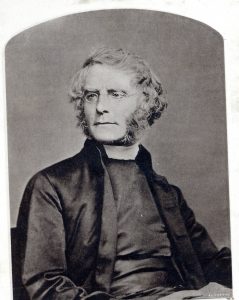
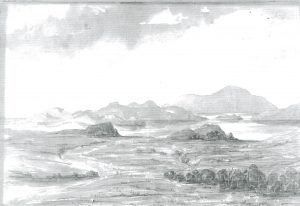
Fuze was baptised and converted to Christianity. The name ‘Magema’ was chosen for him by Colenso. Fuze also took his first trip to the Zulu kingdom in the accompaniment of Colenso and William Ngidi. He was instructed to keep a diary.
Fuze’s diary documenting his experience of the Zulu kingdom and of the journey there was published as part of Colenso’s book Three Native Accounts of the Visit of the Bishop of Natal. The book’s publication marked the first time Fuze’s name appeared in print.
Fuze spent 12 months with his family following the closing of Ekukhanyeni amid rumours that Cetshwayo was considering forcibly removing his run-away brother, Mkhungo, from Colenso’s care.
Fuze returned to Bishopstowe to take up work as the head printer at Ekukhanyeni. That same year, Colenso’s at the time infamous The Pentateuch and the Book of Joshua Critically Examined was published. The book challenged the literary truth of the bible and attracted widespread backlash from British and settler readers. Indirectly, this impacted the reputation of Colenso’s converts, including Fuze. Colenso had drawn on conversations with his converts (William Ngidi in particular, but also Fuze) while writing the book.
King Mpande passed away and Cetshwayo became king.
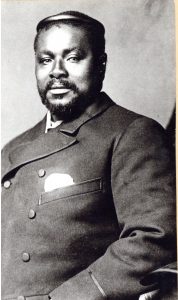
The Hlubi chief, Langalibalele, was arrested for allegedly rebelling against the Colony of Natal. Fuze, along with William Ngidi, and other Ekukhanyeni residents, assisted Colenso in defending Langalibalele. Fuze acted as a scribe, investigator, and witness in the trial.
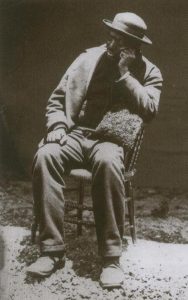
Fuze signed a petition drafted by Natal kholwa community demanding clarification of the kholwa’s status as British subjects. Fuze was arrested and briefly imprisoned as a consequence.
Fuze travelled to the Zulu kingdom to investigate rumours that Cetshwayo was killing Christian converts. Here he held lengthy discussions with Cetshwayo.
Fuze published the piece ‘A Visit to King Ketshwayo’ in Macmillan’s Magazine about his trip to the Zulu kingdom the previous year. The piece defended Cetshwayo against the accusation of killing converts.
The Zulu kingdom was invaded by the British and was defeated, then coming under British control. In the aftermath of the invasion, Fuze’s ties with the Zulu nobility were strengthened. Fuze also worked with Colenso to expose colonial officials’ part in causing the war. Fuze’s role was to print Colenso’s commentary.
“We had not the privileges of white men in getting our cases heard. We were treated like dogs.” – Fuze giving testimony at the Natal Native Commission on 5 December 1881.
Commenting on the 1875 kholwa petition, Fuze remarked that it was about acquiring the same privileges as white people. One of his life’s primary concerns was critiquing the unequal and racially-motivated dispensation of justice under colonial rule.
